
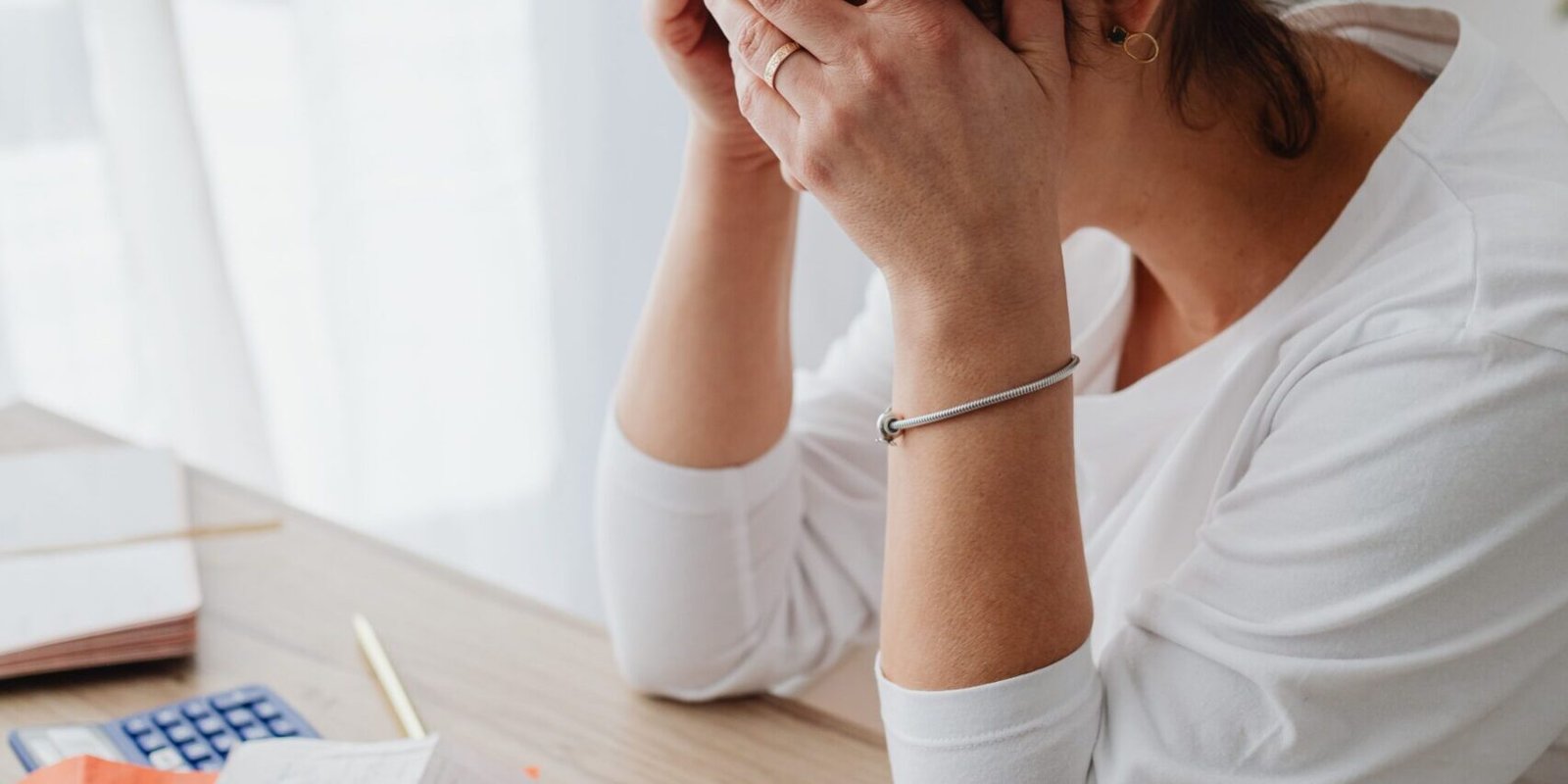

ADHD
This often presents differently in women than it does in men, which means it can go unrecognised for many years. Some women only begin to question whether they have ADHD when their son or daughter is diagnosed, or when hormonal changes during perimenopause cause symptoms to become more noticeable as oestrogen levels decline.
Rather than the stereotypical image of hyperactivity, women with ADHD are more likely to experience:
- Difficulty focusing during conversations, tasks or when following instructions.
- Poor time management and frequently running late.
- Missing deadlines, appointments or misplacing everyday items.
- Feeling mentally restless, even when physically resting.
- Becoming overwhelmed by to-do lists, clutter or everyday responsibilities.
- Interrupting others or oversharing in conversations.
- Intense emotional reactions and rapid changes in mood.
- Impulsivity in decision-making, relationships, spending or commitments.
- Hyperfocus—becoming so absorbed in an activity of interest that time passes unnoticed.
Many girls with ADHD are overlooked because they don’t fit the expected stereotype. They may be sporty or tomboyish, or they may become experts at masking their difficulties in order to appear organised, capable and socially acceptable. Over time, many begin to believe they are lazy, disorganised or “not good enough”, leading to self-blame, low self-esteem and increased anxiety.
Many women with ADHD are also highly empathetic and emotionally sensitive. They may experience intense distress in response to criticism or perceived rejection, a phenomenon often referred to as Rejection Sensitive Dysphoria (RSD). This can feel deeply painful and can have a significant impact on relationships, confidence and emotional wellbeing.
How Therapy Can Help
Therapy can offer far more than practical strategies for managing ADHD. It provides a space to understand yourself with compassion, challenge years of self-criticism and rebuild a stronger sense of self-worth and self-acceptance.
Alongside learning helpful tools for organisation, emotional regulation and managing overwhelm, therapy can also help you recognise the many strengths that often come with ADHD.
Women with ADHD are frequently:
- Deeply empathetic and compassionate.
- Creative and imaginative thinkers.
- Spontaneous, fun and full of energy.
- Excellent at thinking outside the box and finding innovative solutions.
- Capable of remarkable focus when engaged in something meaningful.
- Passionate, enthusiastic and willing to embrace new experiences.
- Resilient and adaptable, often developing the ability to recover from setbacks and keep moving forward.
ADHD isn’t simply a list of challenges—it’s a different way of experiencing and engaging with the world. When you understand how your mind works and learn to work with it rather than against it, ADHD can become a source of strength as well as challenge.
What might become possible when you begin to see yourself through a kinder, more compassionate lens?
Call me to make an appointment either on zoom or near Wantage: Kate Jewson 07786 422096